Host on LIFED

Become a Healthmate

Create and host trusted wellbeing programs.

Start your application

28-Day Kalaripayattu, Kalari Uzhichil Program in Wayanad for Physical Resilience
Duration: 28 Days
Location: Wayanad, Kerala, India
Program Type: Residential Program
Format: English, Malayalam
Program Overview

A 28-day Wayanad program combining Kalari training, Uzhichil, structured recovery and a gradual return to practice.

Recovery is not always about stopping movement. Sometimes it begins by understanding how you move in the first place.

This 28-day residential program in Wayanad follows four distinct seven-day stages: Train, Receive, Recover, Return.

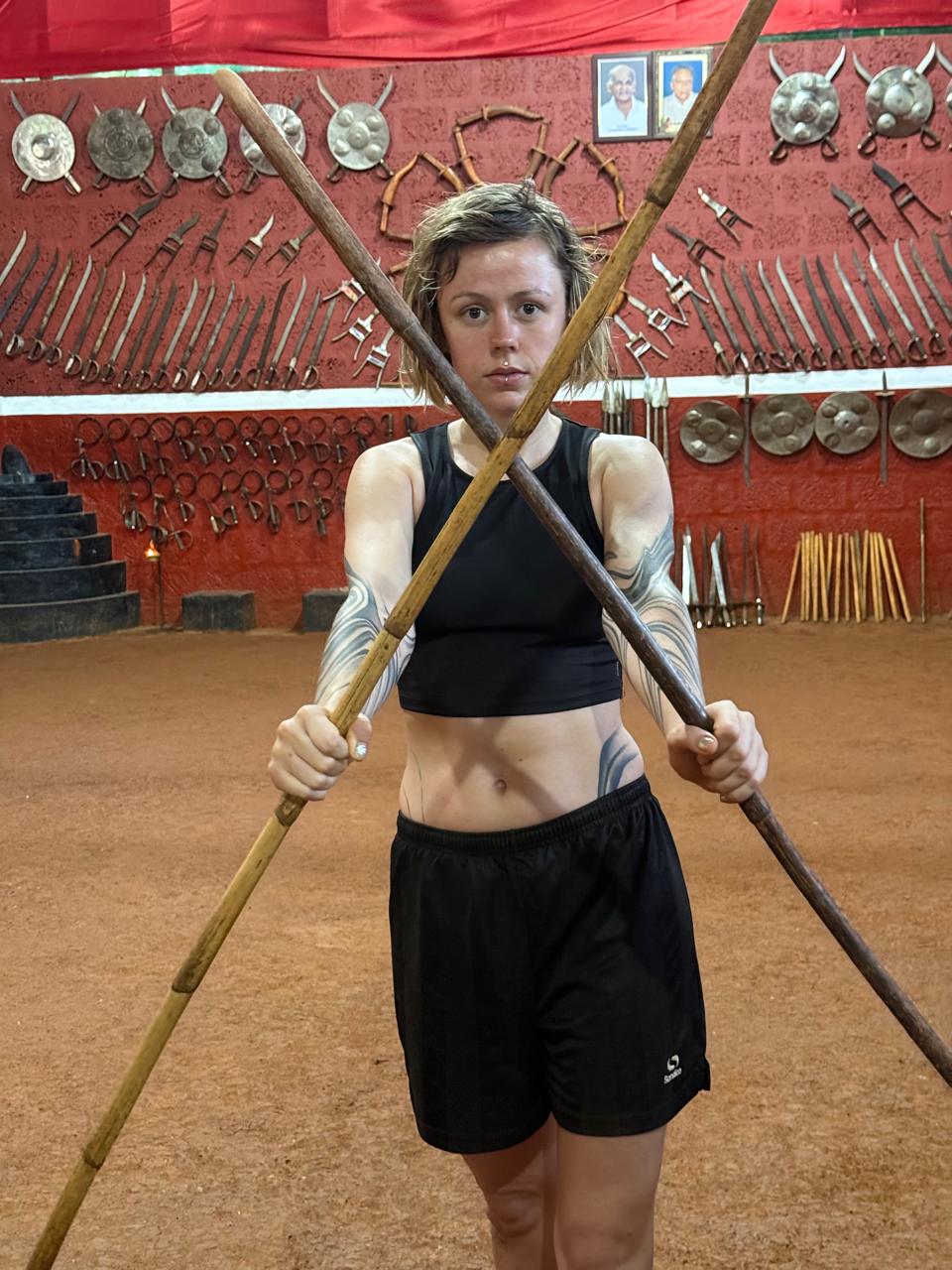
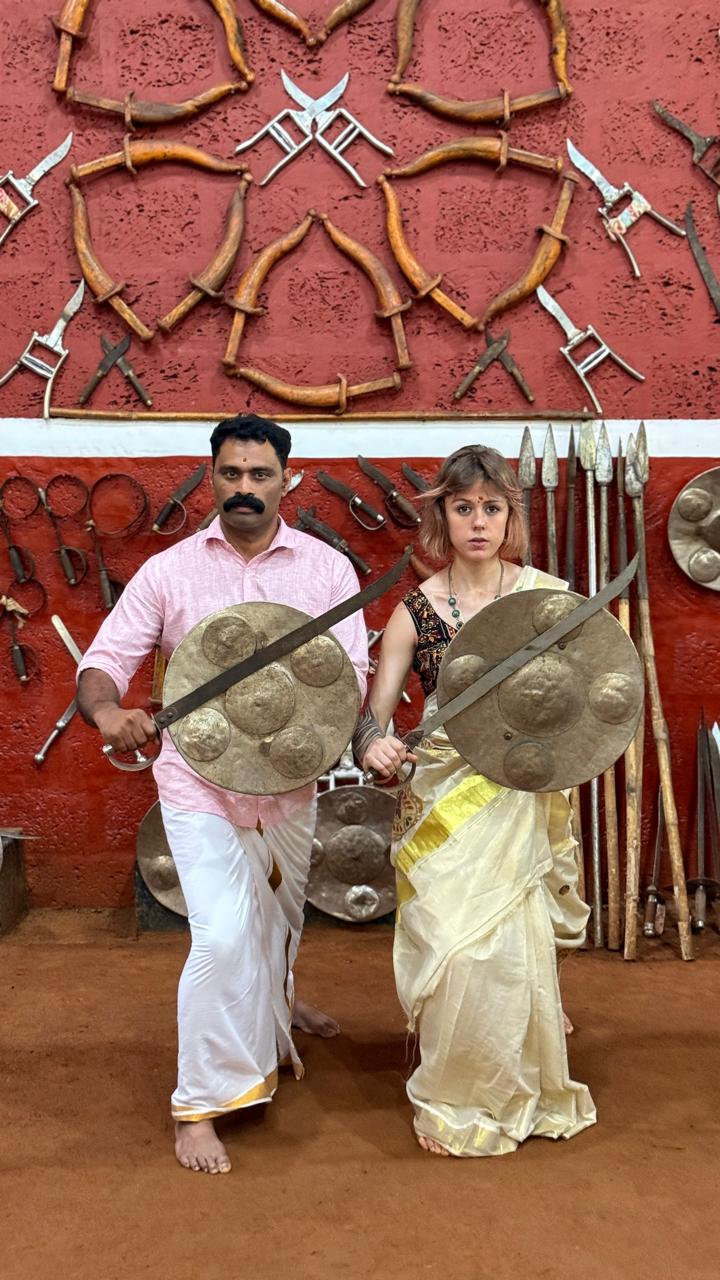
The first week introduces participants to Kalaripayattu under the Gurukkal, creating familiarity with foundational movement, mobility, coordination and the physical rhythm of regular practice.

The second week shifts completely from training into traditional Kalari Uzhichil. Rather than being added casually after exercise, bodywork becomes its own dedicated phase.

The third week intentionally reduces physical demand. Formal Kalari practice pauses while sleep, nourishment, quiet nature time and gentle experiences around Wayanad take priority.

During the final seven days, participants return to Kalaripayattu progressively, reconnecting with movement after the two-week lower-load period.

The objective is not to push continuously for 28 days. It is to experience the relationship between effort, body care, recovery and return, and leave with greater physical awareness and a more sustainable understanding of movement.
After This Program

Objective of the Program

Greater body awareness, movement confidence and a more sustainable understanding of effort, recovery and regular physical practice.

Who Is This For

Designed for the right people, in the right setting

Best Suited For
People this experience is designed around
Small Private Groups
Ideal Setting
Environments that complement the experience
Nature Integrated Mountain Rural / Farm Heritage Setting
Daily Experience

A Typical Day

While every stay is personalised, here's what a typical day during your wellbeing journey may look like.

13 Activities
01
06:30 30 min

Wake-up and personal preparation

02
07:00 30 min

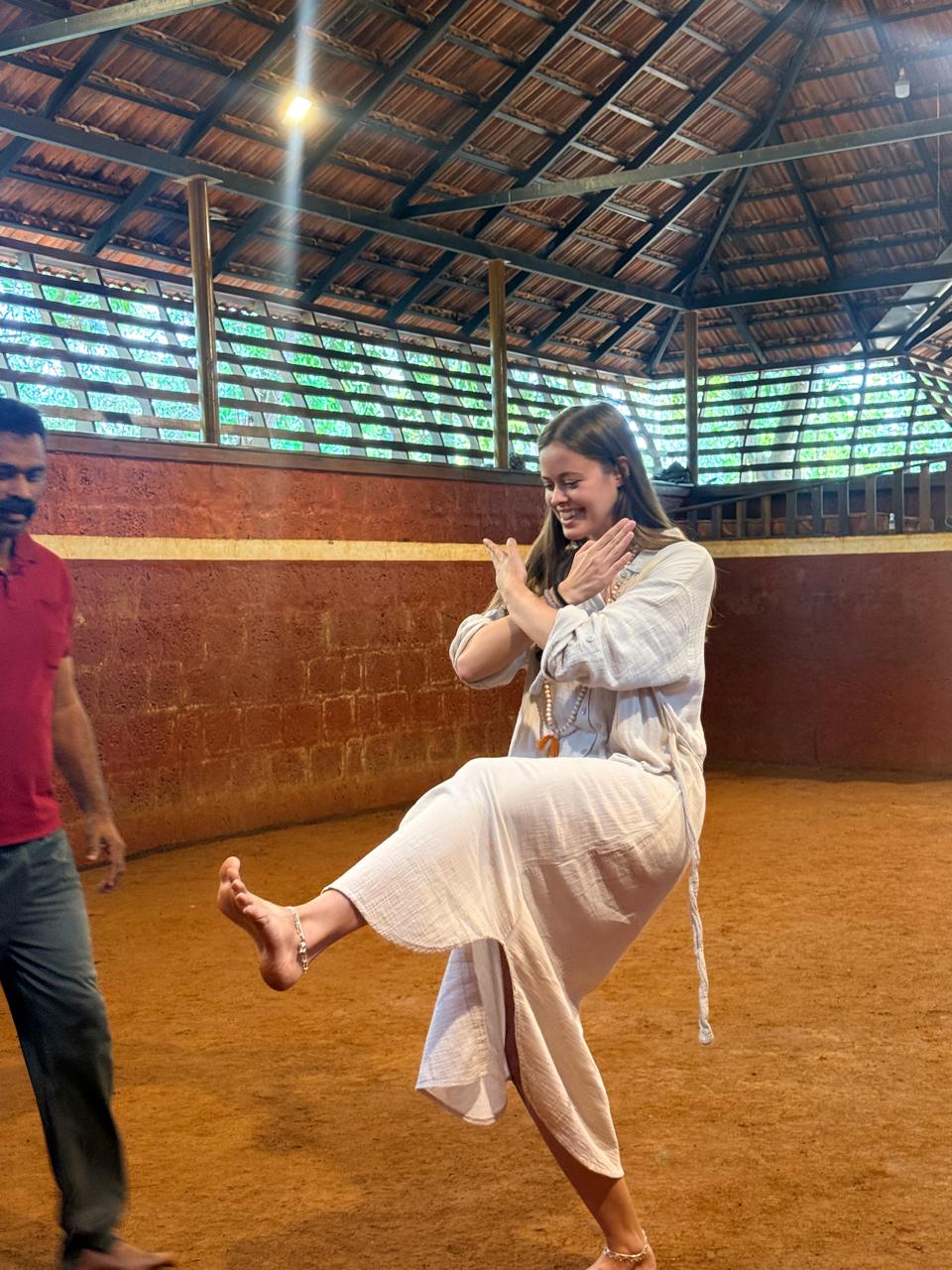
Mobility and Kalari warm-up

03
07:30 60 min

Guided Kalaripayattu Practice

04
08:00 30 min

Cool-down and freshen up

05
09:00 45 min

Breakfast

06
10:00 120 min

Protected rest / personal time

07
12:30 60 min

Kerala-style lunch

08
13:45 120 min

Rest / reading / quiet nature time

09
15:30 30 min

Tea and light refreshment

10
16:30 30 min

Preparation and mobility

11
17:00 60 min

Evening Kalaripayattu Practice

12
18:00 30 min

Cool-down and recovery

13
19:30 flexible

Dinner

Highlights

Signature Experiences

Distinctive moments that give this journey its character and depth.

01
Signature Experience

Days 1 to 7

Foundational Kalaripayattu Week Participants begin with Kalaripayattu rather than bodywork. That matters experientially because they first understand the practice through their own body before entering the recovery-focused stages. The first week can progressively introduce: Kalari stance and posture mobility directional movement balance coordination foundational Meipayattu controlled transitions strength and stamina appropriate to level Week intention Understand your body in movement. Rather than entering Uzhichil without context, participants now have firsthand experience of the physical practice around which the Kalari tradition is structured.

02
Signature Experience

Days 8 to 14

Kalari Uzhichil Week Formal Kalari training pauses. Participants receive one traditional Kalari Uzhichil session each day, delivered according to the HealthMate's traditional practice and practitioner judgement. The remaining rhythm should be intentionally light: Uzhichil regular meals hydration rest personal time quiet nature time Week intention Move from doing to receiving.

03
Signature Experience

Wayanad Nature & Heritage Exploration

Experience Wayanad through landscapes and historical sites including Kuruva Dweep, Banasura Sagar Dam, Edakkal Caves and selected viewpoints. The excursions allow nature and place to become part of the retreat rather than simply its backdrop.

04
Signature Experience

Days 15 to 21

Structured Rest & Wayanad Living This week should remain genuinely quieter. There is no formal Kalaripayattu training and no scheduled Uzhichil. But "rest" should not automatically mean seven days of complete bed rest for otherwise healthy participants. Unless the practitioner advises otherwise, the program can include: adequate sleep unhurried meals gentle walking quiet outdoor time reading personal reflection low-intensity nature experiences cultural activities The principle should simply be: Reduce load without filling the recovery week with another demanding itinerary.

05
Signature Experience

Days 22 to 28

Progressive Return to Kalaripayattu. This week is particularly important. Participants have now spent approximately two weeks away from formal Kalari training during the Uzhichil and recovery stages. Days 22 to 23: Reconnect Return to: stance mobility basic movement breathing coordination familiar Week 1 patterns Objective: Remember rather than perform. Days 24 to 25: Rebuild Gradually increase: movement duration sequence length directional transitions coordination moderate physical challenge Objective: Re-establish rhythm. Days 26 to 27: Consolidate Participants move through fuller Kalari practice according to capacity. Focus on: movement quality strength stamina coordination repetition discipline Objective: Experience consistency again. Day 28: Integrate Final practice followed by: reflection with the Gurukkal movement guidance for home discussion of recovery between future sessions closing Kerala meal or cultural experience Objective: Leave with a practice, not simply a completed retreat.

Program Inclusions

What’s Included

Everything included as part of your program experience, clearly outlined before you book.

Daily Movement / Fitness Sessions
Included
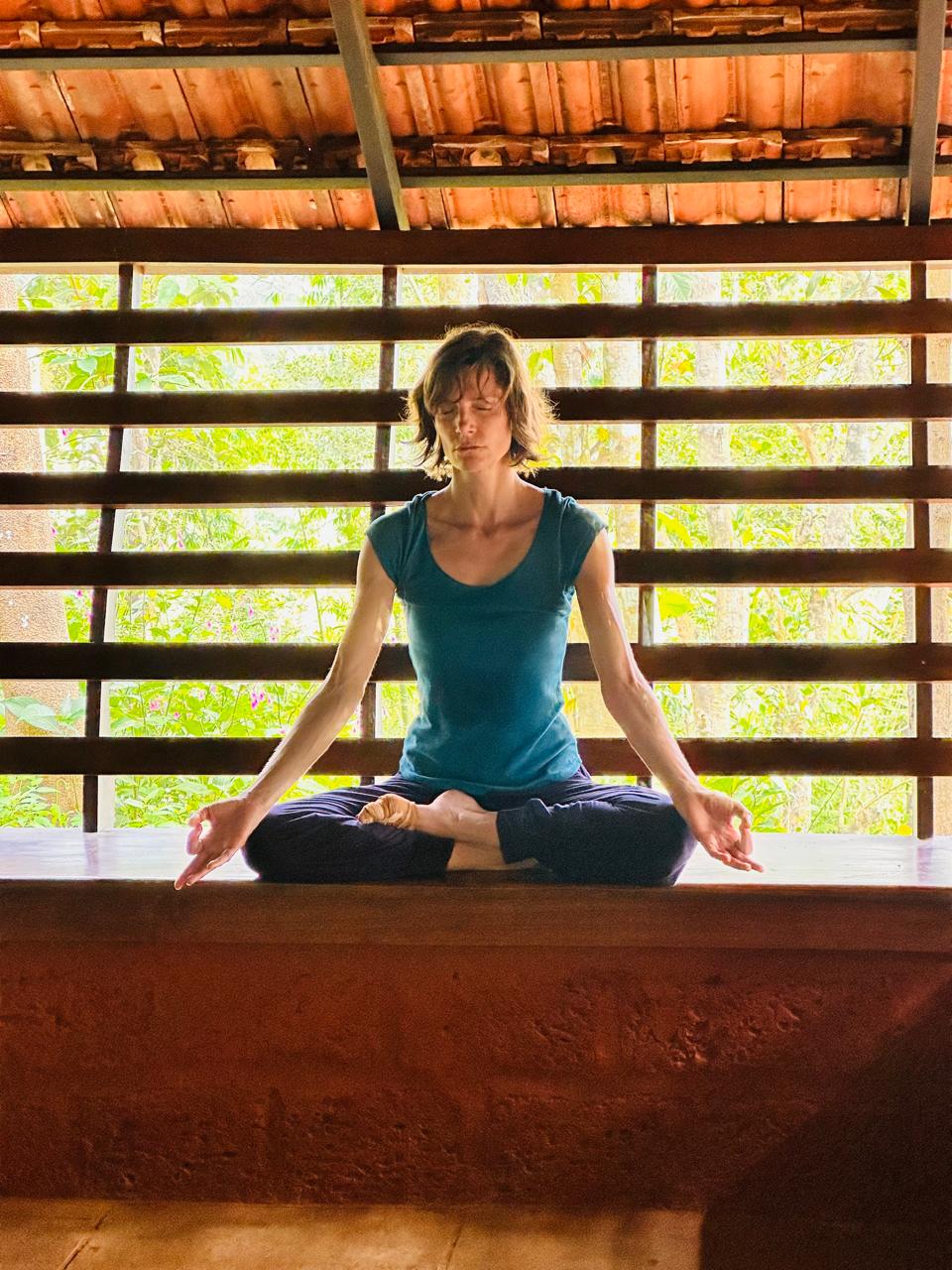
Meditation / Mindfulness
Included
Body Therapies / Massages
Included
Accommodation
Included
All Meals
Included
The Result

What You’ll Take Away

Key wellbeing areas this program is designed to support throughout the experience.

Wellbeing Outcomes

Areas participants may develop through the journey.

Stress Reduction
Confidence Building
Increased Energy
Flexibility & Mobility
Strength & Stamina
Physical Recovery
Preventive Health
Self-Care Practices
Somatic Awareness
Cultural Reconnection
Nature Immersion
Inner Stillness
Discipline & Focus

Preventive Wellbeing Support

Everyday lifestyle areas this program is designed to support.

Poor Posture
Reduced Mobility
Reduced Functional Strength
Reduced Circulation from Inactivity
Chronic Fatigue
Stress Recovery
Mobility Recovery
Recovery from Physical Inactivity
Recovery from Lifestyle Imbalance
Mental Fatigue & Cognitive Overload
Rest & Recovery Deficiency
These are wellbeing support areas and are not medical or guaranteed outcome claims.
Food & Nourishment

Nourishment Throughout Your Stay

Meals and nourishment thoughtfully integrated into your residential wellbeing journey.

Dietary Approach

Food styles available as part of your stay
Customised / Special Dietary Options
Our Approach to Nourishment

Meals form part of the cultural experience rather than being treated only as catering. The program includes breakfast, lunch, evening tea and dinner throughout the seven days. The itinerary also features a traditional Kerala meal served on a banana leaf, meals connected with local farming experiences, and a farewell dinner.

Where You'll Stay

Accommodation

Participants can stay in homestay designed around a peaceful, nature-connected Wayanad experience. The property sits inside a coffee-growing landscape and follows traditional Kerala architectural styling.

Meet Your Expert

The Person Guiding Your Journey

Every experience is thoughtfully guided by professionals dedicated to helping you reconnect, restore and grow.

01
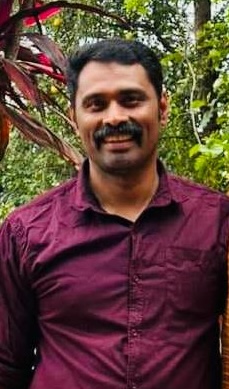
K. F. Thomas Gurukkal
Personal Health Assessment

K. F. Thomas Gurukkal

Chief Master Trainer, Kalaripayattu

K. F. Thomas Gurukkal is the Chief Master Trainer at Kadathanadan Kalari Sangam in Wayanad. He became the centre’s Chief Master Trainer when the Sangam moved to its current location in 2000. He carries forward the traditional Kalaripayattu lineage established by the Sangam’s founding Gurukkals, continuing the teaching and practice of Kalari within one of Kerala’s long-standing training traditions.

Qualifications
Traditional Kalaripayattu Gurukkal
Getting There

Location & Travel

Helpful information to plan your arrival and understand the surrounding setting.

Setting
Mountain View · Farm · Heritage Property
Transportation
Self-arranged Transportation
Nearest Airport
Calicut (Kozhikode) International airport
90 km
Railway / Metro
44 km
Host & Venue

Where You’ll Be

A closer look at the setting, surrounding area and location of your program.

Program Location
Wayanad, Kerala, India

The program is based in Mananthavady, with daily experiences extending across Wayanad and selected Kalari heritage locations. The setting allows the retreat to combine structured morning practice with time outdoors, local cultural encounters and recovery. Participants therefore experience Kalari not only as physical movement, but within the wider landscape and cultural context in which the tradition developed

Exact Address After Booking

For your privacy, the exact venue address is shared only with confirmed participants.

Location Preview
Wayanad, Kerala, India
From ₹89,250
Book my spot
Your Healthmate

Meet your Healthmate

Kadathanadan Kalari Foundation
Centre

Kadathanadan Kalari Foundation

LIFED Verified Healthmate
Wayanad, Kerala, IN
Experience
31 Years
Healthmate Type
Centre
About

About Kadathanadan Kalari Foundation

K. F. Thomas Gurukkal stands as the current Chief Master Trainer and proprietor of Kadathanadan Kalari Sangam, a renowned institution rooted in the traditional Indian martial art form of Kalaripayattu. His journey in Kalaripayattu commenced under the guidance of M. A. Vijayan Gurukkal, the esteemed founder of the Kadathanadan Kalari Sangam. Seeking to deepen his expertise, Thomas Gurukkal undertook training with esteemed masters such as Sri V. Sreenivasan Gurukkal, Shri V. P. Rakhavan Gurukkal Vadakara, Shri Manoj Gurukkal Vadakara, and Shri Sajeevan Gurukkal. His dedication led him to Kanyakumari and Tamil Nadu, where he further honed his skills under the tutelage of the renowned Shri Mani Gurukkal.

In addition to his proficiency in Kalaripayattu, Thomas Gurukkal has delved into the spiritual realm through the practice of Kriya Yoga, learning from his teacher, Shri Soryanda Baba of the Himalayas. A devoted disciple, he spent five years under Guru Soryanda’s guidance and continues to embrace this spiritual practice. Thomas Gurukkal’s holistic approach extends to his expertise in Kalari marma massage therapy, where he not only performs the therapy skillfully but also personally gathers and prepares Ayurvedic medicinal herbs to create the therapeutic oils. In recognition of his contributions and mastery, he was honored with the Malayali Mudra Award in 2022, acknowledging his significant role in preserving and propagating the rich cultural heritage of Kalaripayattu.

Expertise

Areas of focus

Wellness
Functional Movement
Recovery
Based in
Wayanad, Kerala, IN
Helpful information

Frequently asked questions

Common questions about this program, participation and what to expect.

It is a 28-day residential program built around four seven-day stages: Train, Receive, Recover and Return. Participants begin with Kalaripayattu, move into a dedicated Kalari Uzhichil phase, spend a week at a lower physical load, and then progressively return to Kalari practice.

The first week introduces foundational Kalaripayattu movement, including stance, posture, mobility, directional movement, balance, coordination, foundational Meipayattu and controlled transitions. The listing therefore structures the program around building familiarity with the practice before moving into later stages.

Days 1–7 focus on foundational Kalaripayattu. Days 8–14 shift into daily traditional Kalari Uzhichil with formal Kalari training paused. Days 15–21 emphasise structured rest, gentle activity and Wayanad living. Days 22–28progressively reintroduce Kalaripayattu through reconnecting, rebuilding, consolidating and integration.

Kalari Uzhichil forms its own dedicated week rather than being added after daily training. Formal Kalari practice pauses while participants receive one traditional Uzhichil session each day, alongside meals, hydration, rest, personal time and quiet nature time.

Yes. It is a 28-day residential experience in Wayanad. The listing includes accommodation, meals, movement sessions, bodywork and other program experiences.

The program is based in Mananthavady, Wayanad, Kerala, with experiences extending across Wayanad and selected Kalari heritage locations. The setting combines traditional practice with nature, cultural experiences and recovery time.

A typical training day can begin with morning mobility and Kalaripayattu practice, followed by breakfast and protected rest time. The day also includes lunch, quiet nature or personal time, evening preparation and another Kalari practice, followed by cool-down, recovery and dinner.

No. The program deliberately varies physical load. The Uzhichil week pauses formal Kalari practice, while the third week is designed as a genuinely quieter recovery period. The final week then reintroduces movement progressively rather than returning immediately to full intensity.

The program is designed around greater body awareness, movement confidence and a more sustainable understanding of the relationship between physical effort, recovery and regular practice. These are intended experiences rather than guaranteed outcomes.

The listing includes daily movement and fitness, meditation and mindfulness, body therapies and massages, accommodation and all meals. The broader experience also incorporates Kalari practice, Kalari Uzhichil and time within Wayanad's natural and cultural setting.